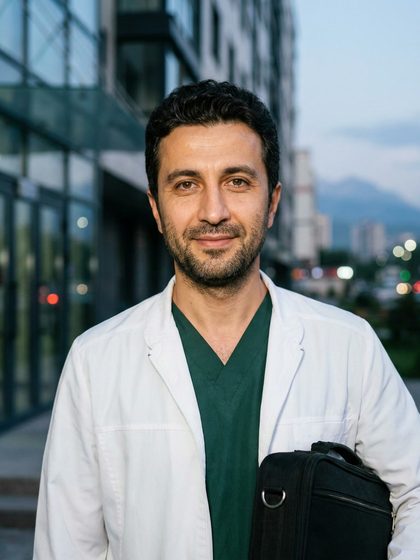
Reviewed byMurat Akhmetov, MDSurgeon, house calls, Makes house calls · updated 8 Nov 2026
Key facts
- Who comes
- A surgeon; a wound care nurse if needed
- What they bring
- Sterile instruments and dressing materials, antiseptics, a stitch removal kit and a blood pressure monitor
- How long it takes
- Usually 30–60 minutes, depending on how much wound treatment and dressing is needed
- Arrival time
- Around the clock, on average within 60 minutes in the city; scheduled dressing changes on a set timetable
- When to call 103 urgently
- Severe abdominal pain, bleeding that will not stop, a deep wound, a high fever with worsening pain, signs of blood poisoning (sepsis)
- Documents
- ID card, the discharge summary after surgery and the hospital surgeon's instructions
What you should know
After hospital discharge, many people need dressing changes and stitch removal, and traveling to a clinic with an unhealed wound is hard. Older bedridden patients need help with bedsores, and people with diabetes need their foot wounds checked. Calling a surgeon to your home in Aktobe takes care of these tasks without unnecessary trips: the doctor arrives with a sterile kit, treats the wound, assesses how it is healing and explains how to care for it so that it heals smoothly and without complications.
The surgeon explains things the way a family doctor would: what a normally healing wound looks like, which signs of inflammation should worry you, how often to change the dressing and whether you can shower. They do not prescribe antibiotics without a reason and explain why. However, there are situations that call for an ambulance rather than a home visit: severe abdominal pain, bleeding that cannot be stopped, or a high fever with worsening pain. In these cases, call 103 or 112.
When to call a surgeon to your home
- you need a dressing change or stitch removal after surgery but getting to the clinic is hard
- the wound has become red and swollen and hurts more than in the first days
- an abscess or boil that is getting bigger, redder and more painful
- an ingrown toenail with redness, swelling and pain when walking
- bedsores or red patches of skin on a bedridden relative
- a sore on the foot that will not heal in a person with diabetes
- the patient's condition needs to be assessed after discharge from a surgical ward
If several points apply, call a doctor. For chest pain, difficulty breathing, signs of stroke, seizures or loss of consciousness, call 103 or 112 immediately.
Why wounds heal differently
Wound healing depends on many factors: depth, contamination, blood supply, and the person's age and general health. Wounds heal most slowly in people with diabetes, poor circulation or a weakened immune system, and in smokers. In bedridden patients, constant pressure on the same areas of skin leads to bedsores if the body position is not changed.
Signs of wound infection include increasing pain, spreading redness, swelling, pus, an unpleasant smell and fever. In these cases, the wound needs to be examined by a surgeon, and sometimes an abscess has to be opened or antibiotics prescribed. Proper care according to clinical guidelines reduces the risk of complications, and the surgeon teaches relatives how to do it: how to change a dressing, how to wash their hands, how often to check the wound, and when to call the doctor and when to call 103 straight away.
What happens during a surgeon home visit
The surgeon asks about the wound or the operation and reviews the discharge summary and instructions. Then they remove the old dressing, examine the wound, and assess healing and signs of inflammation. If necessary, they clean the wound, remove dead tissue, take out stitches and apply a new sterile dressing. At the end, they explain how to care for the wound until the next visit. Photos of the wound between dressing changes can be shown during an online consultation.
Operations under anesthesia, opening large abscesses and treating acute surgical conditions such as appendicitis or bowel obstruction cannot be done at home. For severe abdominal pain, bleeding, or a high fever with worsening symptoms, call 103 or 112. If the surgeon sees reasons for hospital admission during the examination, they will arrange for an ambulance themselves.
How we help
Dressing changes and stitch removal
Dressings are changed under sterile conditions: the doctor washes their hands, puts on gloves and uses disposable materials. Stitches are removed at the time stated in the discharge summary, taking into account the condition of the wound. After the stitches are out, the surgeon explains when you can shower, how to protect the scar from friction and sun, and which signs should worry you.
Bedsore care
Treating bedsores begins with relieving pressure: regular changes of position, a pressure-relief mattress and skin care. The surgeon cleans the wound, chooses modern dressings and trains the relatives. Through DomVrach, you can arrange regular dressing changes by a nurse and periodic check-ups by a surgeon in Aktobe.
Help with abscesses and ingrown toenails
The surgeon can treat small, superficial abscesses at home if conditions allow. An ingrown toenail in the early stage is often treated conservatively: proper care, warm soaks and the right shoes. With marked inflammation or a deep abscess, a procedure at a clinic may be needed.
Post-operative check-up
After discharge, the surgeon assesses the surgical wound, checks for signs of complications and answers questions about activity, exercise and diet. This is especially important in the first weeks, when the patient is just getting used to recovering at home and relatives are afraid of doing something wrong while caring for them.
Myths and facts
MythA wound should be treated with brilliant green or iodine as often as possible
FactHarsh antiseptics used frequently can damage healing tissue. For most wounds, gentle cleaning and a clean dressing are enough. The surgeon will explain how and with what to treat your particular wound.
MythA wound needs to "breathe", so no dressing is needed
FactThe moist, covered environment under a modern dressing often speeds up healing and protects against contamination. Whether a dressing is needed, and what kind, depends on the wound; only a doctor can decide this after examining it.
MythAny redness around a wound means antibiotics are needed
FactSlight redness at the edges in the first few days is part of normal healing. Antibiotics are prescribed only for signs of infection, which the surgeon assesses during the examination: spreading redness, pus or a fever.
How to call a doctor
- Call or message usWe answer 24/7: we'll ask about symptoms, age and chronic conditions and tell you which doctor you need. If an ambulance is needed, we'll say so straight away.
- Give us the addressHome, apartment, hotel or office. We'll tell you when the doctor will arrive — in the city, about 60 minutes on average.
- The doctor arrivesExamination, blood pressure, oxygen saturation, temperature and, if needed, an ECG, rapid tests and blood draw. The doctor explains the diagnosis and prescribes treatment.
- You get helpAn injection or IV drip if indicated, written advice, a sick note or certificate after the examination, and a follow-up call.
Prices in Aktobe
| Specialist home visit | 22 500 ₸ |
| ECG with interpretation during the visit | 5 500 ₸ |
| Follow-up visit | 13 500 ₸ |
| Phone advice | free |
The final cost is agreed before treatment starts. Prices are in tenge and do not constitute a public offer.
Where to get help
In aktobe you can get help at home, at one of our two addresses (184 Moldagulovoy Ave., office 43, Aktobe, 93 Sherniyaza St., office 25, Aktobe) or online if you need advice rather than an examination. We answer 24/7 and will suggest the best option.
Confidential and private
Information about your health is protected by medical confidentiality under the Code of the Republic of Kazakhstan “On Public Health and the Healthcare System”. We don't share it with employers, schools or third parties without your consent, except where expressly required by law.
Questions and answers
Can stitches be removed at home?
Yes, the surgeon removes stitches at home at the time stated in the discharge summary, provided the wound is healing normally. If there are signs of inflammation or the wound edges are separating, the doctor will decide what to do next. You should not remove stitches yourself: this increases the risk of infection and complications.
What should I prepare before the surgeon arrives?
The hospital discharge summary, instructions, and a list of medications and allergies. Make sure there is good lighting, a clean table or surface next to the patient, a clean towel and access to water. Do not remove the dressing in advance, so the doctor can see the wound in its natural state.
When does a wound need an ambulance rather than a home surgeon?
Call 103 if the bleeding does not stop after applying pressure, the wound is deep or long, there is a foreign object in it, it is an animal bite, or it is on the face or hand and affects movement, and also if there is a high fever or a sharp deterioration in the person's condition.
How often are dressing changes needed?
It depends on the type of wound, the amount of discharge and the type of dressing: anywhere from daily to once or twice a week. The surgeon will draw up a schedule and explain when an unscheduled change is needed. Many families in Aktobe combine surgeon visits with dressing changes by a nurse.
Can I call a surgeon for a bedridden patient with bedsores?
Yes, this is one of the most common reasons for a visit. The surgeon will assess the stage of the bedsores, treat the wounds, choose dressings and teach the relatives how to provide care. For prevention, regular changes of position, skin care and good nutrition are important.
Will the surgeon issue a certificate or sick note?
Documents are issued only after an examination and in the manner established by the legislation of the Republic of Kazakhstan. A DomVrach surgeon will tell you which documents are possible in your situation. Documents cannot be issued without examining the patient.
Where do doctors visit in Aktobe and where are the branches?
Home visits cover all city districts and nearby settlements, 24/7. Appointments at two branches: 184 Moldagulovoy Ave., office 43, Aktobe and 93 Sherniyaza St., office 25, Aktobe. Phone in Aktobe: +7 (700) 309-38-25.
Sources and methodology
This page was prepared by the DomVrach medical editorial team based on:
- Clinical diagnosis and treatment protocols of the Ministry of Health of the Republic of Kazakhstan
- Code of the Republic of Kazakhstan “On Public Health and the Healthcare System”
- International Classification of Diseases ICD-10, World Health Organization
- WHO recommendations on primary health care
- NICE (UK) guidelines on managing acute and chronic conditions in primary care
This information is for reference only and does not replace a consultation with a specialist. Editorial policy