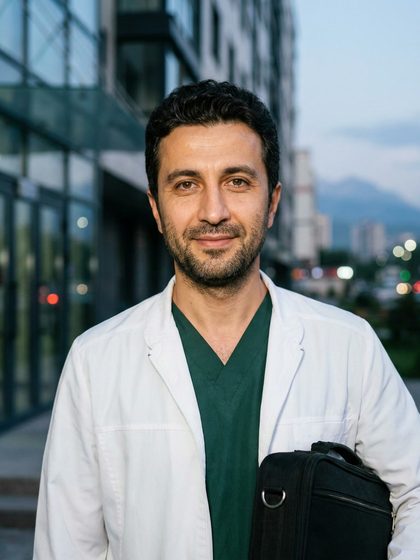
Reviewed byMurat Akhmetov, MDSurgeon, house calls, Makes house calls · updated 8 Nov 2026
Key facts
- Who comes
- A dressing nurse; for complicated wounds, suspected infection or when there is no prescription, a surgeon
- What they bring
- Sterile dressing materials, antiseptics, single-use instruments and gloves, modern wound dressings, adhesive plasters
- How long it takes
- Usually 15–40 minutes, depending on the size and condition of the wound
- When the nurse arrives
- Planned dressing changes on a schedule; urgent visits in about 60 minutes on average
- When to call 103 immediately
- Heavy bleeding that does not stop with pressure, a wound with protruding tissue, bites with extensive damage, signs of sepsis
- Documents
- ID, a hospital discharge summary or the surgeon’s instructions, information about allergies to medicines and plasters
What you should know
After surgery or an injury, people are often told: “Dressing changes every other day.” And then the hard part begins: traveling to a clinic in pain, waiting in line, and risking getting the wound cold or dirty on the way. This is especially difficult for older people, patients with limited mobility and those who live alone. A home-visit nurse in Kostanay changes the dressing in a calm setting, maintaining sterility, and keeps an eye on how the wound is healing. If anything is concerning, she will inform the doctor straight away.
The main thing I ask patients is this: do not try to “finish treating” a serious wound on your own, and do not use folk remedies without your doctor’s approval. Ointments and powders used “on a friend’s advice” can interfere with healing and mask signs of infection. A DomVrach nurse works according to the surgeon’s or your own doctor’s instructions, and if there are none, we will suggest a doctor’s examination first. That way the dressing change is not a formality but part of the treatment.
When you need wound dressing at home
- after hospital discharge, regular dressing changes of a surgical wound have been prescribed
- a small graze, cut or burn that needs proper care
- a wound in an older person or a patient with diabetes is healing slowly
- the dressing is soaked, has slipped or become dirty, and it is hard to change it yourself
- redness, swelling or discharge has appeared around the wound — it needs to be examined
- a leg ulcer needs regular care as prescribed by a doctor
- a drain or the site where a drain was removed needs to be cleaned and dressed
If several points apply, call a doctor. For chest pain, difficulty breathing, signs of stroke, seizures or loss of consciousness, call 103 or 112 immediately.
Why some wounds heal quickly and others slowly
Healing depends on many factors: the size and depth of the wound, how contaminated it is, the blood supply to the tissues, the person’s age and overall health. In a young, healthy person a small cut closes up within a few days. But in older patients and in people with diabetes, vascular disease or obesity, as well as in smokers and those who are malnourished, wounds heal much more slowly and are more often complicated by infection. That is why wound care in these people needs special attention.
The modern approach to wound treatment, reflected in NICE guidelines, is based on maintaining a clean and moderately moist environment and protecting the wound from infection and injury. Frequent and rough dressing changes, drying the wound out and large amounts of harsh antiseptics can slow healing. That is why the nurse chooses a dressing that suits the type of wound, and the frequency of dressing changes is set by the doctor according to the wound’s condition, not “out of habit.”
How wound dressing at home works
Step one: call us and tell us what kind of wound it is, how it happened and whether there is a doctor’s prescription. You can send a photo of the wound — it helps us prepare the right materials. Step two: the nurse washes her hands, puts on gloves, carefully removes the old dressing and assesses the wound. Step three: cleaning, debridement if needed, and applying a new dressing. Between dressing changes you can send a photo and discuss the healing with a doctor online.
A home dressing change cannot replace hospital care if the wound is deep and needs stitches, is bleeding heavily, is contaminated with soil or rusty metal, was caused by an animal bite, or if a patient with a wound has a high fever, chills or confusion. In these cases you need a surgeon at a clinic or a call to 103 or 112.
How we help
Dressing a surgical wound
The nurse removes the old dressing and assesses the incision: is there redness, swelling, discharge or separation of the edges? She then cleans the surrounding skin with an antiseptic and applies a new sterile dressing. The surgeon decides how often the dressing should be changed and when the stitches come out. If anything raises doubts, the nurse will send a photo to the doctor and agree on the next steps.
Care of grazes, cuts and burns
The nurse rinses small wounds, removes dirt, assesses the depth and applies a suitable dressing. With burns it is important not to burst blisters yourself or smear them with oil. If a burn is large or deep, or is on the face, hands or groin, the nurse will recommend seeing a doctor or calling an ambulance.
Dressings for slow-healing wounds
Leg ulcers, wounds in people with diabetes and chronic wounds need regular care and a doctor’s supervision. The nurse uses modern wound dressings that maintain a moist environment and reduce pain when changed. It is important to treat the underlying cause at the same time: control blood sugar, circulation and nutrition.
Teaching relatives
If dressings are needed for a long time, the nurse can teach family members simple care: how to wash hands properly, how to change an uncomplicated dressing and which signs should raise concern. This does not replace a specialist’s visits, but it helps keep the wound in good condition between them. The doctor decides whether relatives can change dressings on their own.
Myths and facts
MythWounds must always be painted with brilliant green and dried out
FactAn overdried wound heals worse, and coloring antiseptics make it hard to assess the tissue. Current recommendations are to maintain a clean, moderately moist environment under the right dressing chosen for the type of wound.
MythThe more often the dressing is changed, the faster the wound heals
FactChanging the dressing too often damages new tissue and increases the risk of infection. The doctor sets the frequency according to the wound’s condition: sometimes it is enough to change the dressing every few days.
MythIf a wound hurts, an antibiotic is always needed
FactPain can be a normal part of healing. An antibiotic is needed when there are signs of infection — spreading redness, swelling, pus, fever — and it is prescribed only by a doctor after an in-person examination.
How to call a doctor
- Call or message usWe answer 24/7: we'll ask about symptoms, age and chronic conditions and tell you which doctor you need. If an ambulance is needed, we'll say so straight away.
- Give us the addressHome, apartment, hotel or office. We'll tell you when the doctor will arrive — in the city, about 60 minutes on average.
- The doctor arrivesExamination, blood pressure, oxygen saturation, temperature and, if needed, an ECG, rapid tests and blood draw. The doctor explains the diagnosis and prescribes treatment.
- You get helpAn injection or IV drip if indicated, written advice, a sick note or certificate after the examination, and a follow-up call.
Prices in Kostanay
| Wound dressing | 6 500 ₸ |
| Bedsore care | 7 000 ₸ |
| Catheter placement or change | 9 000 ₸ |
| Stitch removal | 6 500 ₸ |
The final cost is agreed before treatment starts. Prices are in tenge and do not constitute a public offer.
Where to get help
In kostanay you can get help at home, at one of our two addresses (42 Temirbaeva St., Kostanay, 148 Nazarbaeva Ave., office 33, Kostanay) or online if you need advice rather than an examination. We answer 24/7 and will suggest the best option.
Confidential and private
in Kostanay the doctor comes at a convenient time, including to your hotel or office. Treatment documents are given only to the patient or their legal representative.
Questions and answers
Can I have a wound dressed without a doctor’s prescription?
The nurse will clean a small graze after examining it. But surgical wounds, deep cuts, burns and signs of inflammation require a surgeon’s instructions. If you do not have them, we will suggest a doctor’s visit first so that a complication is not missed.
What should I prepare before the nurse arrives?
A checklist: the discharge summary or doctor’s prescription, any dressings and medicines bought as recommended, a clean towel, and a well-lit place where the patient can sit or lie comfortably. Do not remove the old dressing yourself — the nurse will do it carefully.
Can I wash with a wound?
It depends on the type of wound and dressing. Many modern dressings allow you to shower, while others must be kept dry. After surgery the surgeon usually tells you when you can wash. Check with the nurse or doctor, and do not soak the wound in a bath without permission.
How can I tell if a wound is inflamed?
Warning signs include increasing pain, redness and swelling around the wound, skin that feels hot, discharge that is pus-like or smells unpleasant, and a rise in temperature. If you notice these, call us: the doctor will examine the wound and decide whether treatment or a clinic visit is needed.
How often do dressings need to be changed?
The doctor decides based on the type and condition of the wound. Clean surgical wounds are usually dressed less often, chronic and infected wounds more often. We will draw up a convenient visit schedule in Kostanay and adjust it as the wound heals, in agreement with your own doctor.
What should I do if the dressing is soaked with blood?
If the dressing is slightly soaked, place a clean sterile pad on top and press for 10–15 minutes. If the bleeding continues or the dressing quickly becomes completely soaked, call 103 or 112. Do not remove a dressing that has stuck to the wound — a specialist will do that.
Where do doctors visit in Kostanay and where are the branches?
Home visits cover all city districts and nearby settlements, 24/7. Appointments at two branches: 42 Temirbaeva St., Kostanay and 148 Nazarbaeva Ave., office 33, Kostanay. Phone in Kostanay: +7 (700) 309-38-25.
Sources and methodology
This page was prepared by the DomVrach medical editorial team based on:
- Clinical diagnosis and treatment protocols of the Ministry of Health of the Republic of Kazakhstan
- Code of the Republic of Kazakhstan “On Public Health and the Healthcare System”
- International Classification of Diseases ICD-10, World Health Organization
- WHO recommendations on primary health care
- NICE (UK) guidelines on managing acute and chronic conditions in primary care
This information is for reference only and does not replace a consultation with a specialist. Editorial policy